
Texas weather puts garage doors through a lot. Long periods of extreme heat, high humidity, sudden thunderstorms, and temperature changes can accelerate wear on springs, rollers, hinges, cables, seals, and garage door openers.
Regular maintenance helps reduce that wear and gives you a chance to catch problems before your garage door stops working. Here are practical garage door maintenance tips for Texas homeowners, including what you can safely handle yourself and when to call a professional.
How Texas Heat and Humidity Affect Garage Doors
A garage door relies on several moving components working together. Texas weather can affect those parts in different ways.
Extreme heat can dry out weather seals, affect lubrication, and put additional stress on garage door openers. Garages that receive direct afternoon sun can become considerably hotter than the outdoor temperature.
Humidity creates another concern. Moisture can contribute to rust and corrosion on springs, cables, hinges, tracks, and other exposed metal components.
Texas storms can also bring heavy rain, wind, and sudden temperature changes. Over time, these conditions can contribute to alignment problems, damaged seals, and general wear.
The best approach is prevention. A few routine checks can help you spot changes before they become expensive repairs.
1. Inspect Your Garage Door Regularly
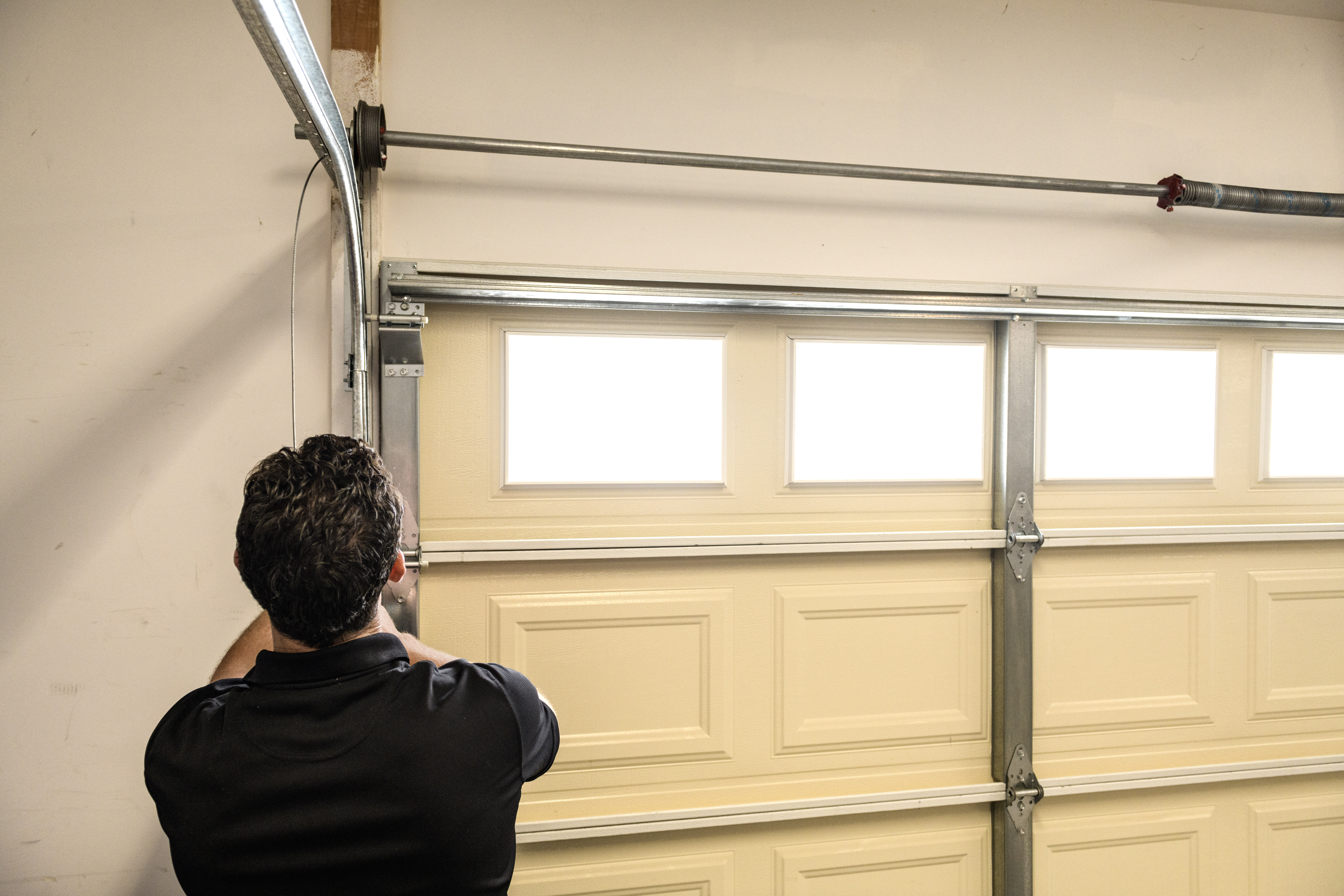
Start with a simple visual and operational inspection every few months.
Stand inside the garage and watch the door complete a full opening and closing cycle. The movement should be relatively smooth and consistent.
Look and listen for:
Grinding, scraping, squeaking, or popping
Shaking or jerking
Uneven movement
A door that appears crooked
Frayed or corroded cables
Rust on springs or hardware
Gaps around the weather seals
An opener that sounds strained
Pay attention to changes. If your garage door suddenly becomes louder, slower, or less smooth than it was a few weeks ago, something may be wearing out.
2. Lubricate the Right Moving Parts
Garage doors contain several metal components that experience friction every time the door opens and closes. Proper lubrication can help reduce noise and premature wear.
Depending on your garage door system, lubrication may be appropriate for:
Hinges
Roller bearings
Springs
Bearing plates
Use a garage door lubricant recommended for your specific system. Avoid coating everything with grease or general-purpose products. Garage door tracks usually need to be clean rather than heavily lubricated. Excess product can attract dirt and debris, creating buildup that interferes with roller movement.
If you are unsure which parts require lubrication, a professional garage door tune-up is the safer option.
3. Watch for Rust and Corrosion
Humidity makes corrosion an important maintenance concern for Texas homeowners.
Inspect exposed metal components, particularly springs, cables, hinges, brackets, and fasteners. Light surface rust may not mean immediate failure, but increasing corrosion should not be ignored.
Cables deserve particular attention. Look for fraying, rust, or individual strands beginning to separate.
Do not attempt to remove or adjust garage door cables yourself. Cables work with the spring system and can be under significant tension. Damaged cables should be inspected and replaced by a trained technician.
4. Check Your Garage Door Weatherstripping
Weatherstripping helps keep heat, rain, moisture, pests, and debris outside the garage. Unfortunately, Texas heat can be hard on rubber and vinyl seals.
Inspect the bottom seal and weatherstripping around the sides and top of the door.
Look for:
Cracks or splits
Brittle material
Flattened sections
Missing pieces
Visible daylight around the closed door
Gaps between the bottom seal and garage floor
Replacing damaged weatherstripping can help protect the garage interior from outdoor conditions. It may also help reduce the amount of hot outside air entering an attached garage.
5. Keep the Tracks Clean
Garage door tracks can collect dust, leaves, cobwebs, insects, and other debris.
Check the tracks periodically and remove loose debris. Accessible surfaces can be wiped with a clean cloth.
Avoid trying to bend or realign tracks yourself. If a track appears damaged or the rollers repeatedly bind while the door moves, have the system professionally inspected.
A garage door that shakes or becomes crooked during operation may have a problem involving the tracks, rollers, cables, or other hardware.
6. Test the Garage Door Safety Features
Modern garage door openers include safety features designed to reduce the risk of the door closing on a person, pet, vehicle, or object.
Photo-eye sensors are located near the bottom of the garage door opening. Dust, dirt, or accidental movement can interfere with their operation.
Keep the sensor lenses clean and make sure nothing blocks their line of sight. Follow your garage door opener manufacturer's instructions for testing the photo eyes and automatic reversal system.
If the door fails a safety test, stop using the automatic opener until the problem is corrected.
Safety sensors are not a component to ignore simply because the garage door otherwise opens and closes normally.
7. Pay Attention to Door Balance
Garage door springs counterbalance much of the door's weight. When the spring system is worn or incorrectly adjusted, the opener may have to work much harder.
Possible signs of a balance problem include:
The door feels unusually heavy
One side hangs lower than the other
The opener struggles to lift the door
The door moves unevenly
The door drops unexpectedly
Balance problems can place unnecessary strain on the opener and other components.
Do not adjust spring tension yourself. Garage door springs store substantial energy and can cause serious injuries when handled incorrectly.
A professional technician can safely test the door's balance and inspect the spring system for wear.
8. Inspect Rollers, Hinges, and Cables
Most homeowners use their garage door several times each day. That repeated movement gradually wears down rollers, hinges, cables, and other hardware.
Check accessible components for visible signs of damage.
Rollers may become worn or cracked. Hinges can loosen or deteriorate. Cables can fray or corrode.
You may hear the problem before you see it. Worn rollers and hinges can cause squeaking, grinding, rattling, or jerky movement.
Catching these problems early can prevent a worn component from placing additional stress on the rest of the garage door system.
9. Schedule Professional Maintenance Once a Year
DIY inspections are useful, but they do not replace a professional garage door tune-up.
For most Texas homes, scheduling professional maintenance approximately once a year is a practical starting point. A heavily used garage door or a system exposed to particularly harsh conditions may need more frequent attention.
During professional garage door maintenance, a technician can inspect the overall system, check door balance, lubricate appropriate components, examine springs and cables, test safety features, inspect weather seals, and identify developing problems.
Scheduling maintenance before peak summer temperatures can be particularly useful in Texas. It gives you an opportunity to address worn parts before months of extreme heat put additional stress on the system.
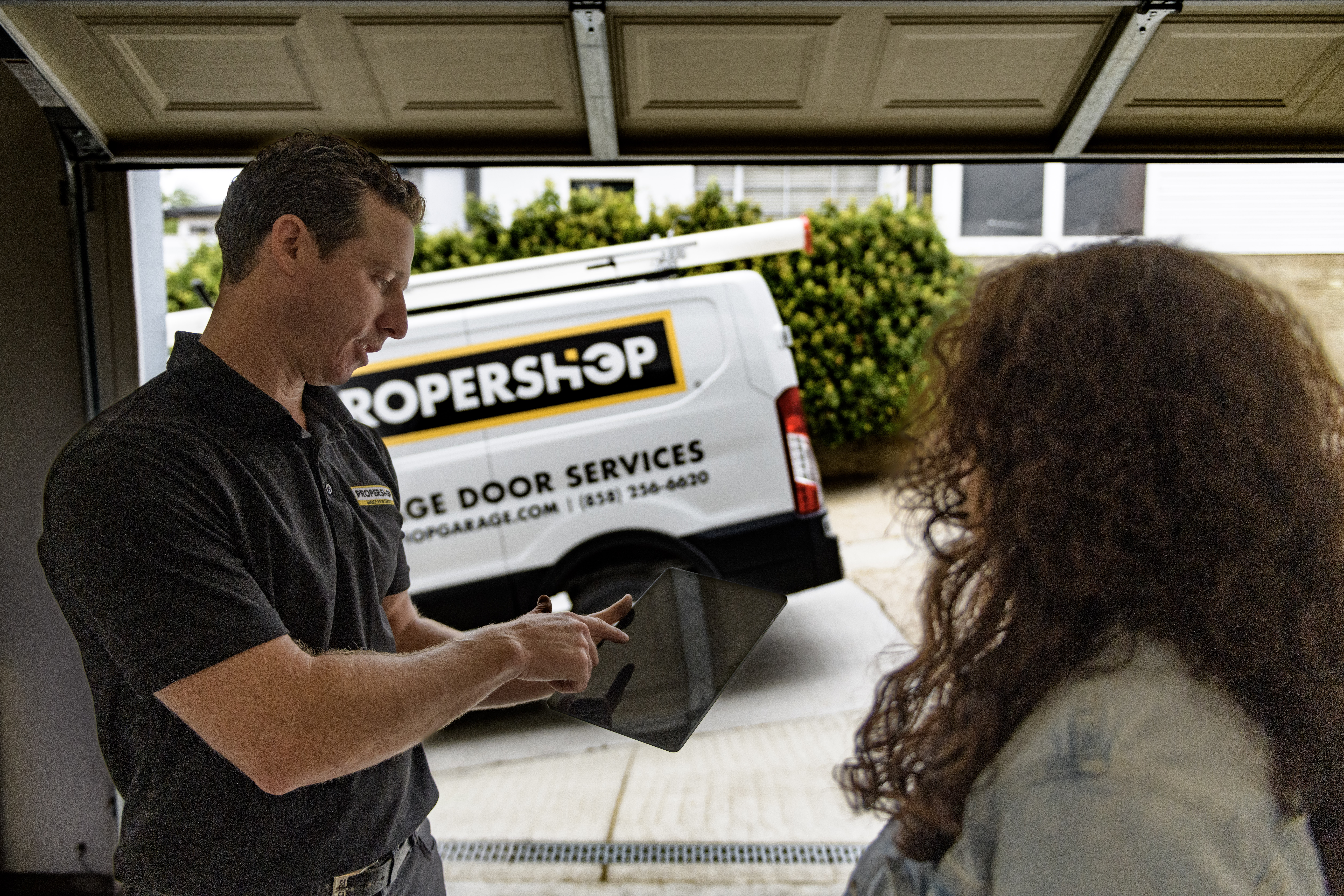
Keep Your Garage Door Ready for Texas Weather
You cannot control Texas heat and humidity, but you can reduce the wear they cause.
Regular inspections, proper lubrication, clean tracks, intact weatherstripping, working safety sensors, and annual professional maintenance can help your garage door operate more reliably throughout the year.
If your door has become louder, slower, uneven, or less dependable, ProperShop Garage Door Services can inspect the system and determine what needs attention. Addressing wear early can help prevent a minor garage door problem from becoming a larger repair during the hottest part of the Texas summer. Schedule a maintenance appointment today!