A broken garage door spring can quickly turn a normal day into a frustrating one. One moment your garage door is working perfectly, and the next it refuses to open, slams shut unexpectedly, or leaves your vehicle trapped inside.
Garage door springs are responsible for supporting most of the door's weight during operation. When they wear out, lose tension, or break completely, the entire garage door system can become unsafe and unreliable.
In this guide, we'll explain how garage door springs work, common warning signs of failure, troubleshooting steps homeowners can safely perform, garage door spring repair costs, and when it's time to call a professional technician.
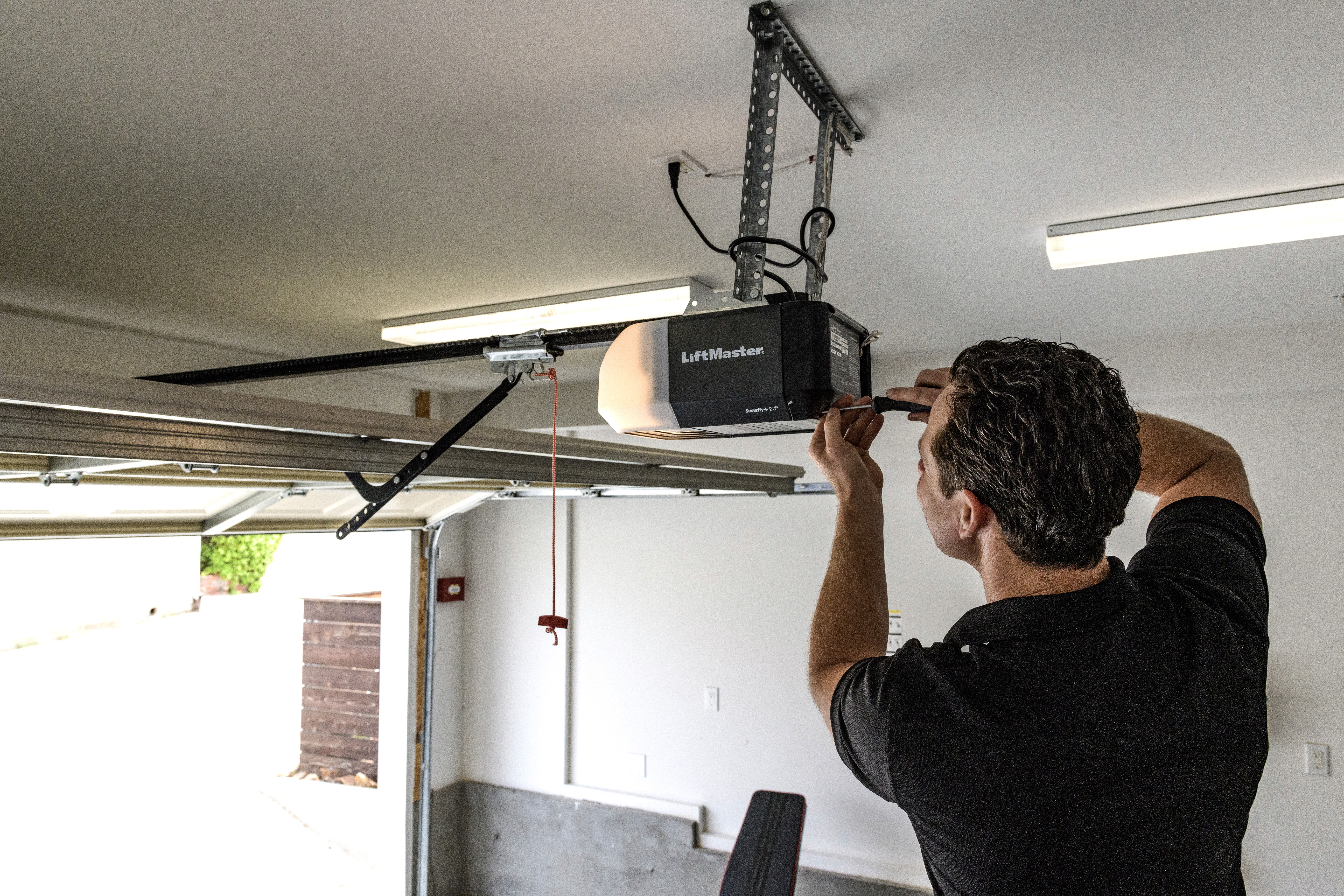
What Do Garage Door Springs Do?
Garage door springs are designed to counterbalance the weight of your garage door. Without them, opening a garage door manually would require lifting hundreds of pounds.
Every time your garage door opens and closes, the springs store and release energy that helps move the door smoothly and safely. This reduces strain on both the garage door opener and the door's moving components.
Because springs handle so much force, they eventually wear out and require replacement.
Types of Garage Door Springs
Most residential garage doors use one of two spring systems.
Torsion Springs
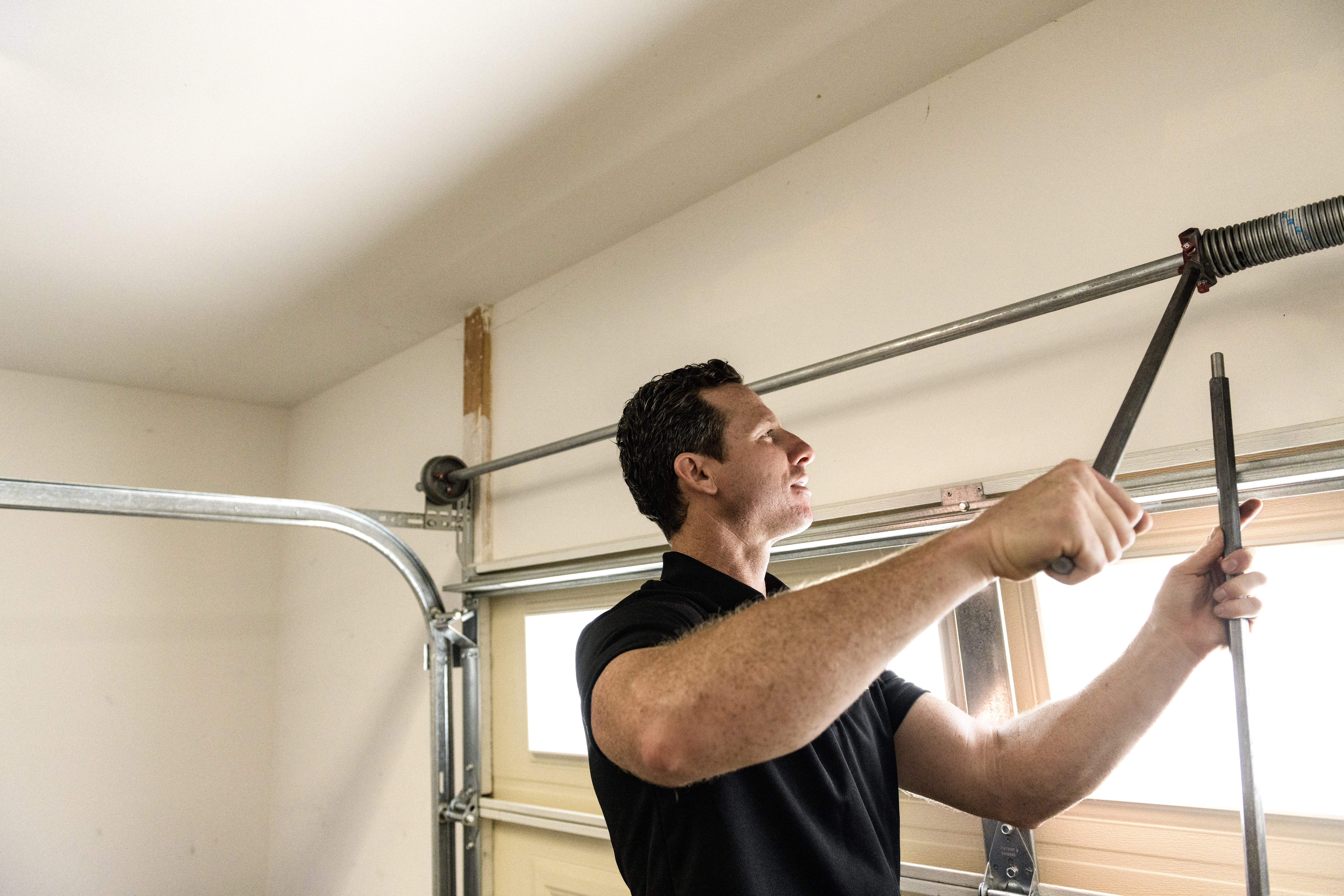
Torsion springs are mounted above the garage door opening on a metal shaft. As the door closes, the spring winds tightly and stores energy. When the door opens, that energy is released to help lift the door.
Benefits of torsion springs include:
Smooth, controlled operation
Better balance and stability
Longer lifespan
Less wear on the opener
Improved safety compared to extension springs
Most modern garage door systems use torsion springs.
Extension Springs
Extension springs are located on both sides of the garage door along the horizontal tracks.
These springs stretch and contract as the door moves.
Extension springs are more common on older garage doors and should always include safety cables to help contain the spring if it breaks.
Signs Your Garage Door Spring Needs Repair
Garage door springs rarely fail without warning. In many cases, homeowners notice symptoms weeks or months before a complete breakdown occurs.
Common signs include:
The garage door feels unusually heavy
The opener struggles to lift the door
The door closes too quickly
The door becomes crooked or uneven
Loud squeaking, grinding, or popping noises
The door won't stay open
The garage door gets stuck halfway
If you notice any of these issues, it's best to schedule an inspection before the problem worsens.
Common Garage Door Spring Problems
Broken Garage Door Spring
A broken spring is one of the most common garage door repairs homeowners face.
Many people describe hearing a loud bang that sounds similar to a gunshot or firecracker. This occurs when the spring suddenly snaps under tension.
Signs of a broken spring include:
A visible gap in a torsion spring
A hanging extension spring
The garage door won't open
The door feels extremely heavy
The opener stops after lifting only a few inches
The door appears uneven
If a spring breaks, avoid repeatedly operating the opener. Doing so can burn out the motor or damage other components.
Worn-Out Springs
Springs don't always break suddenly.
Over time, the metal gradually weakens and loses tension.
You may notice:
Slower operation
Difficulty lifting the door manually
Increased strain on the opener
The door drifting downward when open
These are common indicators that the springs are nearing the end of their lifespan.
Rust and Corrosion
Rust is a major contributor to premature spring failure.
Corrosion increases friction between the coils and weakens the metal over time.
Signs of rust-related damage include:
Visible discoloration
Rough spring surfaces
Increased noise during operation
Reduced spring performance
Regular lubrication helps reduce friction and protect against corrosion.
Incorrect Spring Installation
Using the wrong size spring can create ongoing performance issues.
Improperly sized springs may cause:
Uneven door movement
Excessive noise
Opener strain
Premature component wear
Frequent breakdowns
Professional technicians calculate spring specifications based on the exact weight and dimensions of your garage door.
How to Troubleshoot Garage Door Spring Problems
While spring replacement should always be left to professionals, homeowners can safely perform a few basic inspections.
Perform a Visual Inspection
Look at the springs without touching them.
Check for:
Visible gaps
Broken coils
Rust
Loose cables
Bent hardware
If anything appears damaged, avoid operating the door.
Disconnect the Garage Door Opener
Use the emergency release cord to disconnect the opener. Carefully lift the door by hand.
A properly balanced door should:
Lift smoothly
Feel relatively light
Stay in position when partially open
If the door feels extremely heavy, a spring issue is likely.
Test the Door's Balance
With the opener disconnected:
Lift the door halfway.
Carefully release it.
Observe what happens.
A balanced door should remain in place. If it falls or rises on its own, the spring system may require adjustment or replacement.
Listen for Unusual Noises
Pay attention to sounds such as:
Grinding
Popping
Clicking
Screeching
Jerking movements
These noises often indicate developing spring or hardware problems.
Can You Open a Garage Door With a Broken Spring?
In some situations, it may be physically possible to open a garage door with a broken spring.
However, doing that is not recommended. Without spring assistance, the door's full weight must be lifted manually. Depending on the door's size and construction, this could exceed several hundred pounds.
Attempting to force the door open can result in:
Personal injury
Damage to the opener
Bent tracks
Broken cables
Additional repair costs
If you suspect a broken spring, contact a professional garage door technician before attempting to operate the door.
How Much Does Garage Door Spring Repair Cost?
Garage door spring repair costs vary depending on several factors, including:
Type of spring
Door size and weight
Number of springs being replaced
Labor requirements
Geographic location
In most cases, homeowners are advised to replace both springs when one fails. Since both springs typically experience similar wear, replacing only one often leads to another service call shortly afterward.
A professional inspection can provide an accurate estimate based on your specific garage door system.
Schedule Professional Garage Door Spring Repair Today
Garage door springs play a critical role in the safety and performance of your garage door system. Recognizing the warning signs of spring failure, performing basic maintenance, and scheduling timely repairs can help prevent costly breakdowns and safety hazards.
If your garage door is struggling to open, making unusual noises, or showing signs of spring damage, contact Propershop Garage today. Our experienced technicians provide professional garage door spring repair and replacement services throughout San Diego, CA, and Dallas, TX to keep your door operating safely and reliably. Schedule an appointment today!