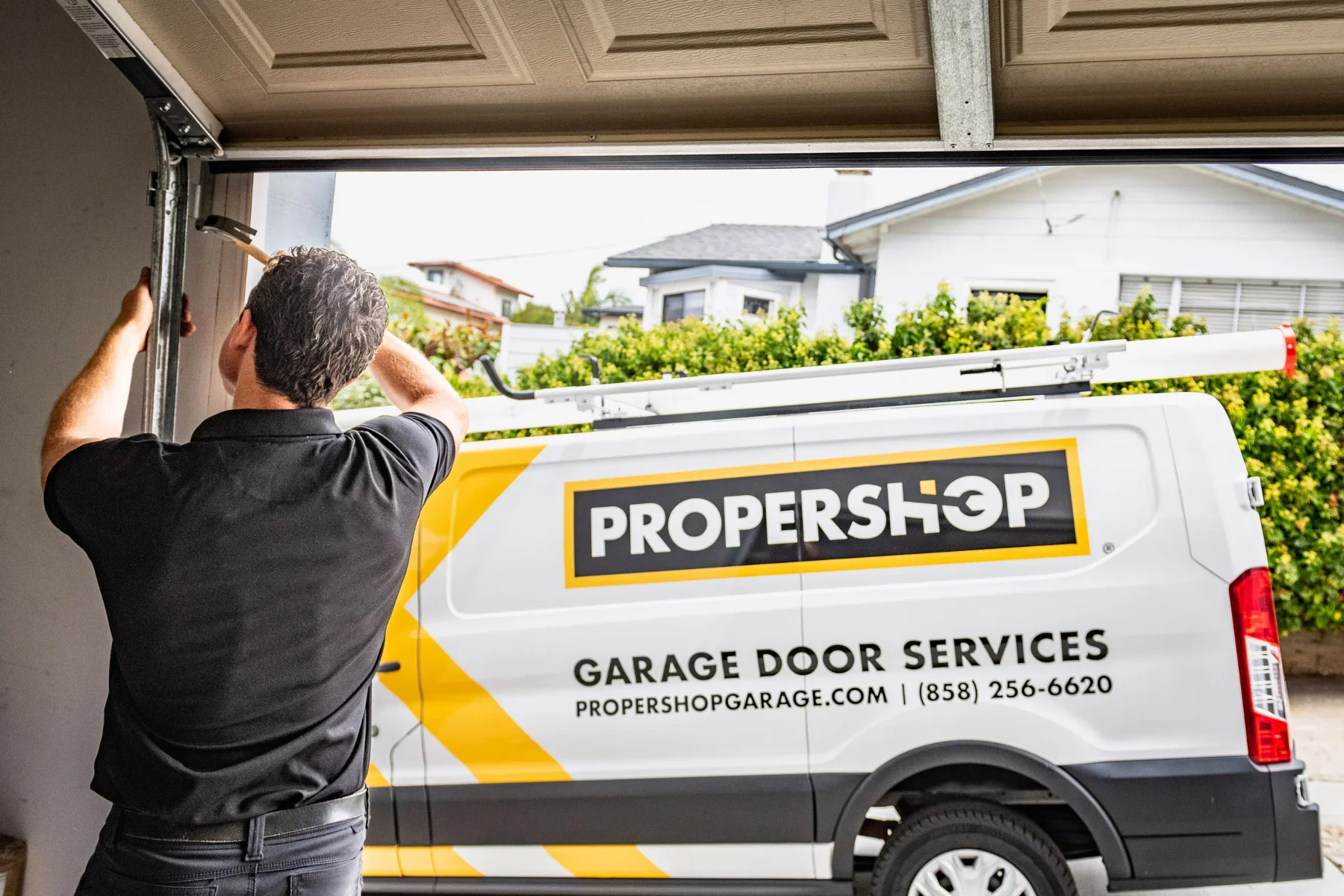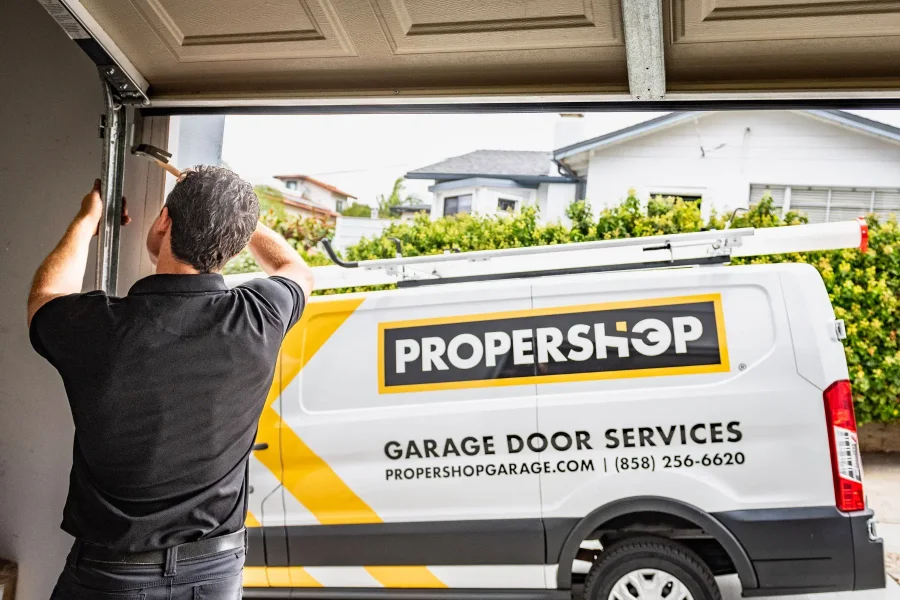

A garage door that suddenly refuses to open or close can throw off your entire day. Whether you're trying to leave for work, pick up the kids, or simply access your garage, a stuck garage door quickly becomes more than a minor inconvenience.
Homeowners often notice warning signs long before the door completely stops working. Strange noises, uneven movement, or slow operation indicate a component is beginning to fail. Addressing these issues early prevents expensive repairs and reduces safety risks.
If you're dealing with a garage door stuck situation in San Diego, understanding the most common causes can help you determine whether it's a simple fix or time to call a professional.
1. Broken or Worn-Out Garage Door Springs
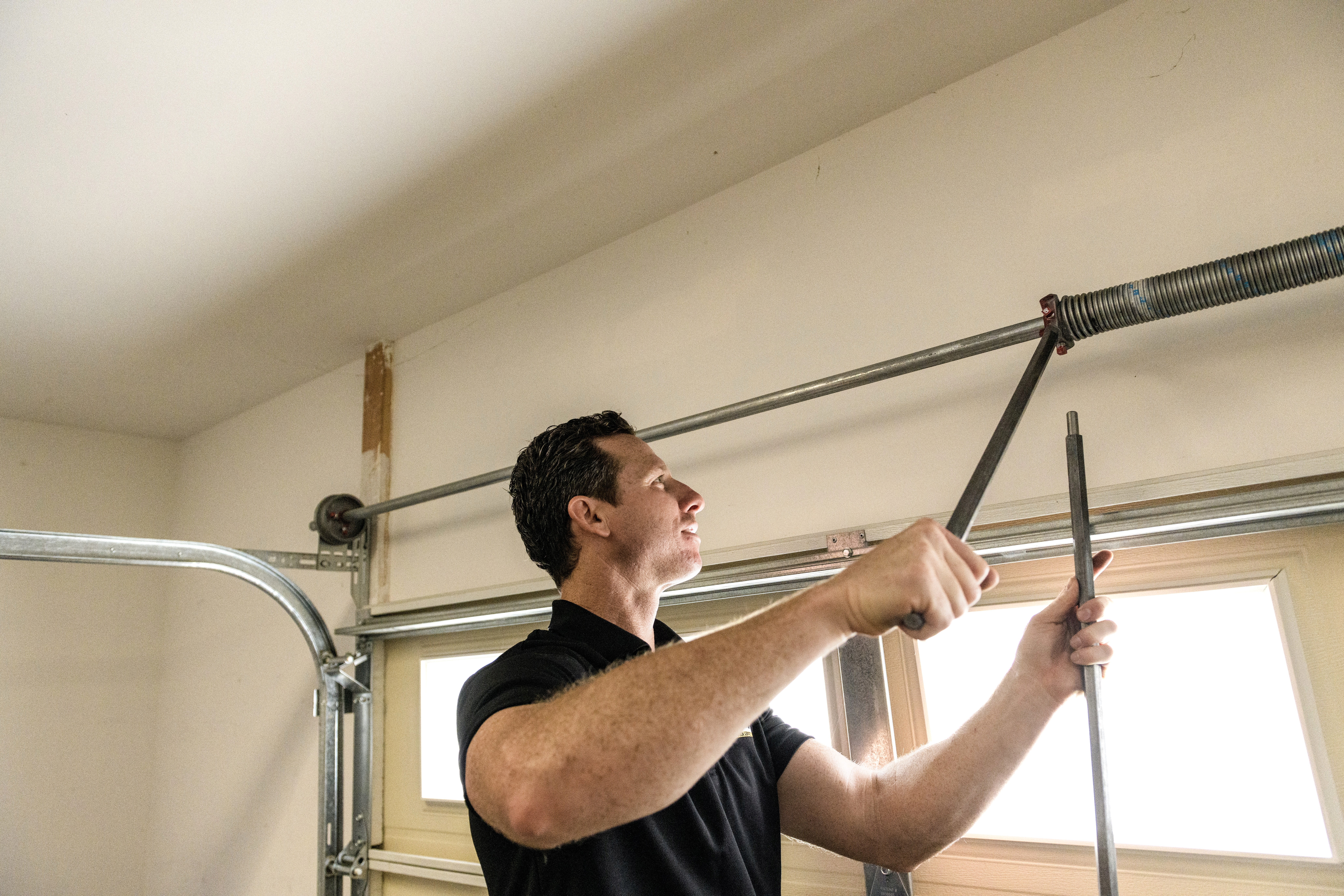
Garage door springs are responsible for counterbalancing the weight of the door, making it possible to lift and lower smoothly. Most residential garage doors weigh between 150 and 400 pounds, and the springs do most of the heavy lifting.
Over time, springs weaken due to normal wear and tear. Eventually, they can break without warning.
Signs of a Broken Spring
Loud bang from the garage
Door feels extremely heavy when lifted manually
Garage door opens a few inches and stops
Uneven movement while opening
Visible gap in the spring
A broken spring is one of the most common reasons homeowners experience a garage door not opening properly.
What to Do
Do not attempt to replace garage door springs yourself. Torsion and extension springs are under extreme tension and can cause serious injuries when handled incorrectly.
2. Bent or Misaligned Garage Door Tracks
Garage door tracks guide the rollers as the door moves up and down. If the tracks become bent, loose, or misaligned, the rollers can bind or jump out of position, causing the door to get stuck.
Common Causes of Track Damage
Minor vehicle impacts
Loose mounting brackets
Foundation settling
Corrosion and rust
Normal wear over time
Warning Signs
Door appears crooked
Grinding noises during operation
Rollers coming off the track
Door stopping midway
Visible gaps between rollers and tracks
Track issues often worsen quickly if ignored. Continued operation can damage rollers, cables, and even the opener.
What to Do
Inspect the tracks for visible obstructions and debris. However, avoid attempting major track adjustments yourself. Bent or severely misaligned tracks typically require professional garage door track repair.
3. Frayed or Broken Garage Door Cables
Garage door cables work alongside the springs to lift and lower the door evenly. These steel cables are constantly under tension and can eventually fray, rust, or snap.
When one cable fails, the door may become unbalanced and potentially dangerous to operate.
Signs of Cable Problems
Door lifts unevenly
One side rises faster than the other
Loose or hanging cables
Visible fraying
Sudden snapping sound
Because cables help support the weight of the door, a failure can create a significant safety hazard.
What to Do
If you suspect a cable issue, stop using the garage door immediately. Continuing to operate the system can cause further damage and increase the risk of injury.
Schedule professional garage door cable repair as soon as possible.
4. Worn Rollers or Faulty Safety Sensors
Not every stuck garage door is caused by major mechanical failure. Sometimes the issue involves smaller components such as rollers or safety sensors.
Safety Sensor Problems
Modern garage doors include photo-eye sensors near the bottom of the tracks. If the sensors become blocked, dirty, or misaligned, the door may refuse to close.
Common Symptoms
Door reverses before closing completely
Opener lights flash
Door closes only when holding the wall button
Intermittent operation
Roller Problems
Rollers help the door move smoothly through the tracks. Over time, rollers can wear out, crack, or lose lubrication.
Signs of Worn Rollers
Squeaking noises
Grinding sounds
Jerky movement
Door sticking at certain points
What to Do
Cleaning dirty sensors may solve the problem. However, damaged rollers should be replaced before they cause track damage or additional wear on the opener.
5. Garage Door Opener Failure
Sometimes the door itself isn't the problem. The garage door opener may be malfunctioning.
Garage door openers contain motors, gears, circuit boards, and drive systems that can wear out over time.
Common Opener Issues
Burned-out motor
Broken drive gear
Worn chain or belt
Electrical problems
Faulty remote controls
Power surges
Signs Your Opener May Be Failing
Motor hums but door doesn't move
Remote stops working
Door responds inconsistently
Grinding noises from the opener
Complete loss of operation
What to Do
Check the power source and replace remote batteries first. If the issue persists, a professional technician can diagnose whether repair or replacement is the better option.
When a Stuck Garage Door Becomes a Safety Hazard
A garage door is one of the largest moving objects in your home. When components fail, the risks increase significantly.
Call a professional immediately if you notice:
Loose or broken cables
A crooked or hanging door
Loud popping or snapping noises
A door that slams shut unexpectedly
Rollers that have come off the track
Ignoring these warning signs can result in:
Vehicle damage
Property damage
Costly emergency repairs
Serious personal injury
Safe Garage Door Troubleshooting Tips
Before scheduling a repair, there are a few safe checks homeowners can perform.
You Can Safely Check:
✔ Make sure the opener is plugged in
✔ Replace remote batteries
✔ Clean photo-eye sensors
✔ Remove debris from the tracks
✔ Test the manual release with the door fully closed
Avoid Attempting to Repair:
✘ Springs
✘ Cables
✘ Torsion systems
✘ Bent tracks
✘ Garage door opener motors
These repairs involve high-tension components and specialized tools that should be handled by trained technicians.
Why Garage Doors in San Diego Often Require More Frequent Maintenance
Many homeowners don't realize how much San Diego's coastal climate affects garage door systems.
Salt carried in the ocean air accelerates corrosion on metal components such as:
Springs
Cables
Rollers
Hinges
Bearings
Even homes located several miles inland can experience faster wear compared to other regions.
Routine maintenance and inspections can help identify rust, corrosion, and wear before they lead to unexpected breakdowns.
Proactive Maintenance and Care
A stuck garage door is rarely a random event; it is often an early warning sign that components are wearing down. Whether the issue involves springs, tracks, rollers, cables, or an opener malfunction, addressing problems quickly prevents costly repairs and safety risks.
To keep your system running reliably and avoid unexpected emergencies, consider these simple proactive measures:
Lubricate moving parts every six months
Inspect cables and springs for wear
Tighten loose hardware
Test safety sensors monthly
Keep tracks clean and debris-free
Schedule annual professional inspections
If your door is moving unevenly, making unusual noises, or sticking, don't wait for a complete failure. Professional diagnosis and repair can restore safe, efficient operation.
Get Your Garage Door Back on Track
A garage door that isn't working properly is more than just an inconvenience—it’s a disruption to your routine and a potential safety risk. Whether you’re dealing with strange noises, a door that sticks, or a complete failure, you don't have to troubleshoot it alone.
At ProperShop, we specialize in diagnosing and repairing garage door issues the right way. We provide transparent, honest recommendations, ensuring you know exactly what’s wrong and how we plan to fix it before we start any work.
Don't wait for a minor issue to become an expensive emergency. Schedule your service online or call us today to work with a team focused on doing the job right, the first time.